

Will You Get Seasick on a Grenadines Yacht Charter? Best Areas & Yachts for a Smooth Trip
Introduction
You can absolutely enjoy a Grenadines yacht charter if you are prone to seasickness, but this is not the flattest cruising ground in the Caribbean.
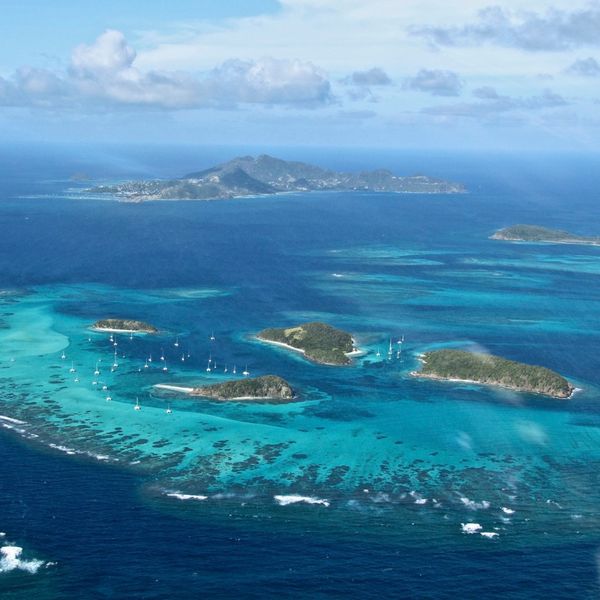
The islands sit directly in the Caribbean trade-wind belt, and the channels between St Vincent, Bequia, Mustique, Canouan and the southern Grenadines are exposed to open-ocean swell. During the main December to April season, easterly trade winds commonly create lively sailing conditions between the islands.
Once you reach the sheltered side of an island, however, conditions can feel completely different.
For guests concerned about motion sickness, the key is choosing the right yacht, itinerary and passage timing rather than avoiding the Grenadines altogether.
Where Are You Most Likely to Feel Seasick?
Most guests who experience motion sickness will notice it during the passages between islands, not while spending the day anchored in a protected bay.
The Grenadines contain several open channels where the trade winds interact with Atlantic swell.
The passage between St Vincent and Bequia is one of the most noticeable. Wind can accelerate between the mountainous islands, while open-ocean swell and current can create short, choppy conditions.
The crossing between Bequia and Mustique can also become uncomfortable when wind and current work against each other.
Farther south, passages around Canouan, Mayreau and the Tobago Cays remain exposed to the easterly trades before the yacht moves behind the shelter of an island or reef.
This is one of the biggest differences between the Grenadines and the BVI.
The BVI benefits from large areas of sheltered cruising behind surrounding islands. In the Grenadines, you periodically leave protected water and cross genuine open Caribbean channels.
That does not mean the entire week will be rough.
It means you may have one or two hours of noticeable motion followed by an afternoon in a calm anchorage.
Which Areas Are Calmest?
For smoother conditions, the captain will normally make use of the leeward sides of the islands, where the land provides protection from the prevailing easterly trade winds.
Anchorages around Bequia, Mustique, Mayreau and Union Island can provide considerably more shelter than the channels separating them. The western sides of the larger islands are particularly valuable when the trades strengthen.
Chatham Bay on Union Island is one of the most protected options in the southern Grenadines, particularly when conditions elsewhere deteriorate.
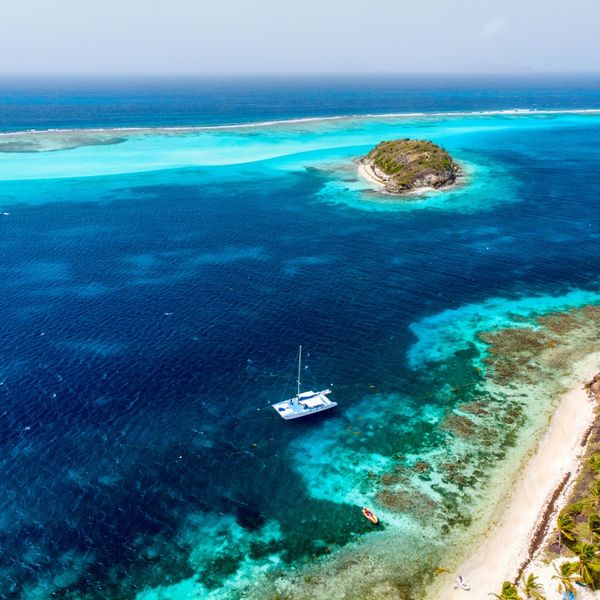
The Tobago Cays are protected by their famous horseshoe reef, which breaks much of the Atlantic swell before it reaches the inner cruising area.
However, Tobago Cays should not automatically be considered completely flat water. During stronger trade-wind periods, particularly from late January into March, the mooring field can still become choppy despite the protection of the reef.
If someone in your group is highly sensitive to motion, tell the captain before the itinerary is finalized. A good crew can prioritize protected overnight stops and adjust passage timing around the forecast.
Which Yacht Is Best if You Get Seasick?
If motion sickness is a major concern, yacht selection matters.
Catamaran
A catamaran is one of the best choices for most motion-sensitive guests.
Its wide twin-hull platform does not heel like a traditional sailing monohull and provides excellent stability at anchor. This is one reason crewed catamarans are so popular throughout the Grenadines.
A catamaran can still pitch and move in ocean swell, so it is not a guarantee against seasickness.
But for families and guests concerned about motion, I would generally choose a modern catamaran over a similarly sized monohull.
Motor Yacht with Stabilizers
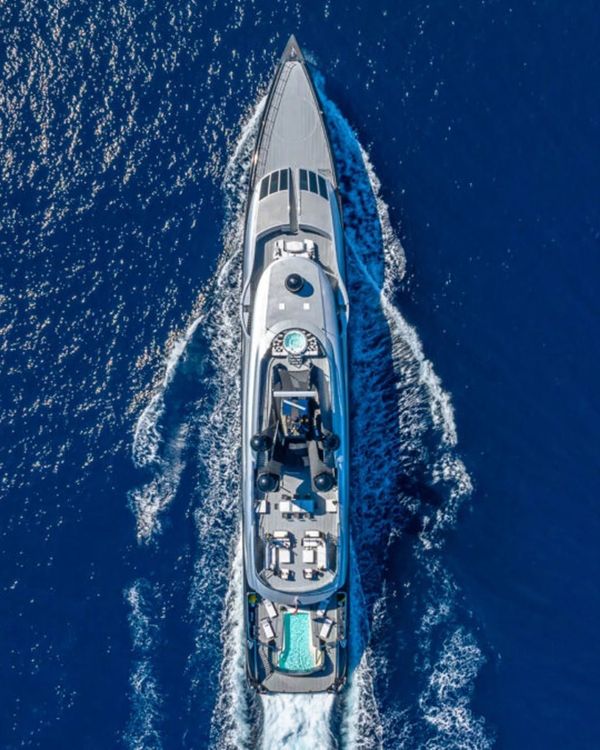
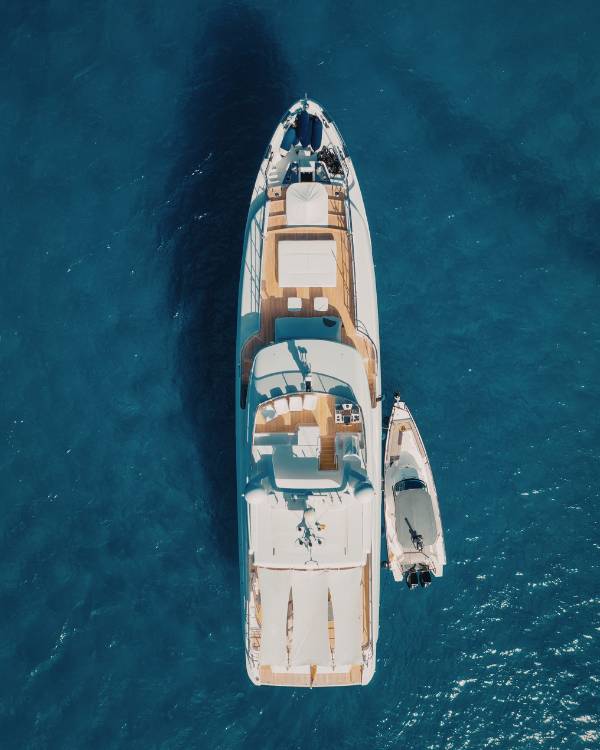
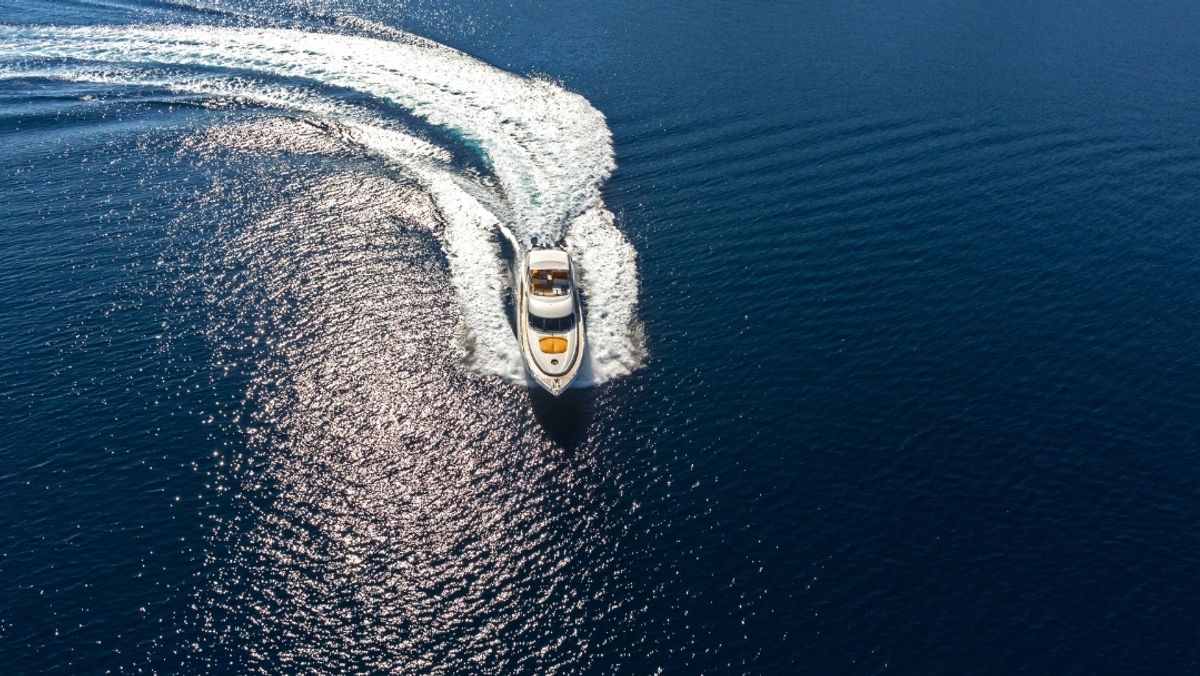
For the smoothest luxury experience, consider a larger motor yacht equipped with stabilizers.
Stabilization systems are designed to reduce rolling, and some yachts have stabilizers that operate both underway and while the yacht is at anchor.
A motor yacht also has another useful advantage: speed.
Instead of spending two or three hours crossing an exposed channel, a faster yacht may complete the same passage considerably sooner.
If your budget allows it and seasickness is a serious concern, a larger stabilized motor yacht would be my first choice.
Larger Is Usually Better
Regardless of yacht type, size can help.
A larger yacht generally reacts less dramatically to short waves than a much smaller vessel. That does not make large yachts immune to movement, but someone worried about rough passages may feel considerably more comfortable aboard a substantial luxury catamaran or motor yacht than a small sailing boat.
How Can You Reduce the Chance of Seasickness?
A few simple decisions can make a major difference.
Tell the crew in advance. Your captain can plan passages around the forecast and choose more sheltered anchorages.
Cross exposed channels earlier in the day. Local sailing guidance specifically recommends morning passages in areas such as the St Vincent to Bequia channel because winds can strengthen as the day develops.
Stay outside and look toward the horizon. Sitting in fresh air where you can see the yacht's movement is often more comfortable than staying below deck while underway.
Avoid reading or staring at your phone during rough passages.
Eat normally, but avoid an extremely heavy meal immediately before a crossing.
Stay hydrated.
If you already know that you suffer from motion sickness, bring the medication or other remedy that you normally use. Some seasickness medications work best when taken before symptoms begin, so discuss appropriate options and timing with your doctor or pharmacist before travelling.
The crew may have supplies onboard, but you should not rely on the yacht having the specific medication that works for you.
Should Seasickness Stop You Chartering the Grenadines?
For most people, no.
The Grenadines are more exposed than cruising grounds such as the BVI, and it would be misleading to describe every passage as perfectly calm.
But you also do not spend seven days continuously sailing through ocean swell.
A typical charter moves through a rhythm of short passages followed by long periods at anchor. You might sail between Bequia and Mustique in the morning, then spend the rest of the day swimming, exploring the island and relaxing onboard.
If seasickness is a concern, I would choose:
A modern catamaran or stabilized motor yacht
A professional crew
A seven-day itinerary with relatively short passages
Protected overnight anchorages
Morning crossings when conditions are favorable
Flexibility rather than a rigid island-by-island schedule
And if you are extremely motion sensitive, tell your broker before choosing the yacht.
The Grenadines offer genuine Caribbean sailing, which means there can be some movement between islands.
But with the right yacht and an experienced captain planning around the weather, seasickness does not have to prevent you from experiencing Bequia, Mustique, Mayreau and the Tobago Cays.
Ready for an Unforgettable Yacht Charter in Grenadines?
At All Blue Yachting, our expertise comes from genuine experience at sea. Many of our brokers have lived and worked aboard yachts themselves, giving them first-hand insight into every aspect of the charter experience.
From your initial enquiry to the final day of your journey, we’re here to guide you through every step with trusted advice, personalised recommendations, and seamless support throughout your charter.
- We take the time to understand your vision and bring it to life.
- We handpick the finest yachts tailored to your preferences.
- We manage all paperwork and secure transactions for complete peace of mind.
- We design personalised itineraries built around your travel style.
- We support you every step of the way, from enquiry to final accounts.