



Provisioning a Grenadines Yacht Charter: Food, Drinks & Preference Sheets Explained
Introduction
One of the advantages of a fully crewed Grenadines yacht charter is that you do not arrive with bags of groceries and start planning meals.
Before the charter, the crew provisions the yacht specifically for your group. Your chef knows what you enjoy eating, the stewardess knows what you drink, dietary restrictions have been communicated and the yacht should already be stocked when you step onboard.
Almost all of that preparation begins with one important document: the yacht charter preference sheet.
How Does Yacht Provisioning Work?
Several weeks before embarkation, you will normally receive a preference sheet asking about the guests travelling and how you would like to eat and drink during the charter.
The completed information is passed to the captain and chef, who use it to create menus and purchase provisions before you arrive. On larger yachts operating with APA, the provisioning costs are paid from your Advance Provisioning Allowance.
By the time you board, the yacht should already have the ingredients, snacks, beverages and other requested supplies needed for the trip.
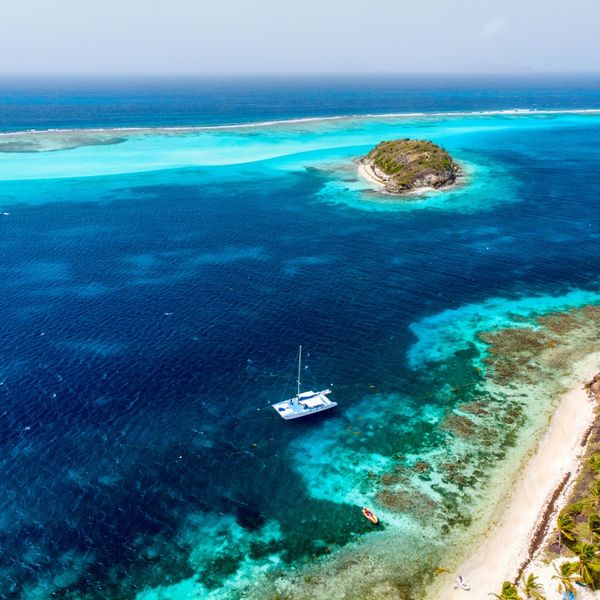
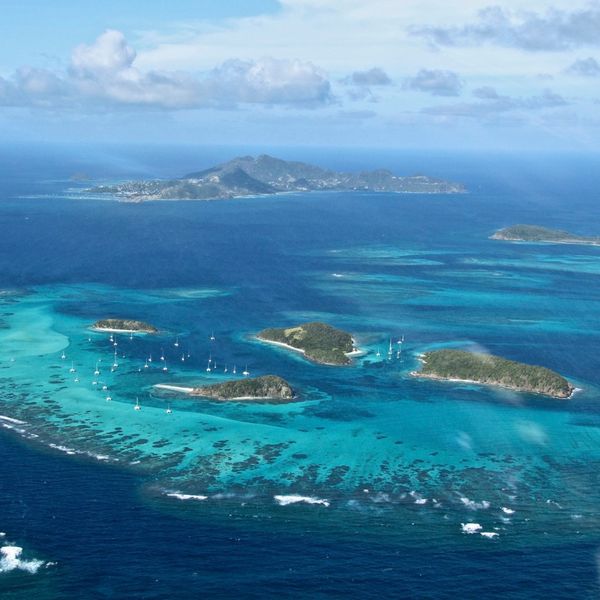
This matters particularly in the Grenadines because your itinerary may take you through small islands and remote anchorages such as Tobago Cays and Mayreau, where you cannot simply walk into a large supermarket and find every specific product you want.
The better the crew understands your preferences beforehand, the easier it is to source everything before departure.
What Is on a Yacht Charter Preference Sheet?
The preference sheet is much more detailed than simply asking whether you prefer chicken or fish.
Typical questions include:
Food allergies
Dietary restrictions
Favorite cuisines
Foods you dislike
Breakfast preferences
Preferred lunch style
Dinner preferences
Snacks
Children's meals
Coffee and tea
Soft drinks and juices
Beer
Wine
Champagne
Spirits
Cocktails
Preferred brands
Special occasions
Meals you plan to eat ashore
Preference sheets may also include guest ages, travel details, cabin arrangements, medical information and preferred activities because the document helps the entire crew prepare for the charter, not only the chef.
Be specific when completing it.
Writing "we like wine" is far less useful than explaining that you prefer dry Sauvignon Blanc, Provence-style rosé and medium-bodied red wine.
Similarly, do not simply write "healthy food."
Tell the chef whether that means grilled seafood, salads, Mediterranean cooking, low-carb meals, plant-based dishes or something completely different.
Specific information allows the chef to design the menu around you rather than guess.
What Kind of Food Can You Expect?
There is usually no fixed restaurant-style menu that every charter guest receives.
Your chef develops meals around the preference sheet, dietary requirements, available ingredients and the style of your group.
A typical day might include breakfast on deck, a lighter lunch after swimming, snacks during the afternoon and a more elaborate dinner in the evening.
Grenadines crews can also incorporate Caribbean ingredients and locally available seafood into the menu. Current local charter guidance specifically highlights fresh fish such as mahi and snapper alongside locally grown produce, subject to availability and season.
This is where being open-minded can make the experience better.
You can certainly request familiar favorites, but you can also tell the chef that you would like several meals inspired by the islands you are visiting.
The same applies to children.
If younger guests prefer pasta, burgers, fruit, pancakes or earlier dinners, put that information on the preference sheet. The chef does not expect every child to eat the same tasting-style dinner as the adults.
How Are Drinks Provisioned?
Drinks are handled in essentially the same way as food.
Your preference sheet may ask for:
Still and sparkling water
Sodas
Juices
Coffee
Tea
Beer
Wine
Champagne
Rum
Gin
Vodka
Whisky
Tequila
Cocktail ingredients
Non-alcoholic alternatives
Again, brands matter.
If you specifically want a particular Champagne, gin, whisky or wine producer, say so in advance. Preference-sheet guidance for charter crews recommends listing exact brands where they are important rather than assuming the crew will select the same product you normally buy at home.
This becomes especially important with premium wines and spirits.
A standard bar may already be included on some all-inclusive yachts, but particularly expensive bottles, unusual vintages or specialist products may carry an additional charge. All-inclusive charter terms vary from yacht to yacht, and premium beverages are commonly listed among potential exclusions.
If your group barely drinks alcohol, tell the crew that too.
There is no reason to provision large quantities of wine and spirits simply because guests normally expect a yacht to have a full bar.
Who Pays for the Provisioning?
That depends on the yacht's charter terms.
On an all-inclusive crewed charter, standard meals, drinks and normal provisioning may already be incorporated into the weekly rate. Exactly what qualifies as included varies by yacht, and premium food, premium alcohol or special requests can still be charged separately.
On a plus-expenses charter, provisioning is normally paid from the yacht's APA, or Advance Provisioning Allowance.
The APA commonly covers:
Food
Drinks
Fuel
Mooring fees
Marina fees
Local shore expenses
Other variable charter costs
Grenadines charter operators currently suggest budgeting around 25% to 30% of the base charter fee for APA on yachts using this structure. Any money not spent should be returned at the end of the charter.
So if you request expensive Champagne, premium steaks and specialist ingredients flown or shipped into the region, your provisioning expenditure will naturally be higher.
If your group prefers fresh local fish, casual lunches and moderate beverages, it may be considerably lower.
What About Allergies and Special Diets?
This is the part of the preference sheet where you should be extremely precise.
Do not treat an allergy as a normal food dislike.
The chef needs to understand whether someone simply prefers not to eat shellfish or whether exposure to shellfish could cause a serious allergic reaction. Good provisioning guidance specifically recommends identifying the allergy and its severity rather than leaving the crew to interpret vague information.
Crewed yachts can commonly accommodate requirements such as:
Vegetarian
Vegan
Gluten-free
Dairy-free
Food allergies
Children's diets
Other medically or personally required diets
More specialized requirements should simply be communicated as early as possible so the chef has time to source appropriate products.
The same rule applies if one person follows a particular diet while everyone else eats normally.
The chef can usually accommodate different preferences within the same group, but only if they know beforehand.
Can You Still Eat at Restaurants Ashore?
Absolutely.
Provisioning does not mean you have to eat every meal onboard.
A Grenadines itinerary gives you opportunities to dine ashore in places such as Bequia, Mustique and Canouan, and many guests intentionally combine chef-prepared meals onboard with a few restaurant evenings.
Tell the crew beforehand if you already know you want to eat ashore on certain nights.
There is little point provisioning dinner for eight people if everyone intends to spend the evening at a restaurant.
Some crewed yachts even operate on half-board arrangements, specifically including a certain number of onboard meals while leaving several lunches or dinners for guests to enjoy ashore at their own expense.
Your plans do not need to be rigid, however.
If you reach Bequia and suddenly decide you would rather have dinner ashore, tell the crew. A private charter is meant to remain flexible.
How to Get Provisioning Right
The easiest way to improve your onboard dining experience is simply to take the preference sheet seriously.
Tell the crew:
What you love.
What you dislike.
What you cannot eat.
What your children actually eat.
Which drinks and brands matter to you.
Whether you want local Caribbean food.
And how often you expect to dine ashore.
Your chef can then build the week around your group before you even arrive.
Good provisioning should almost disappear into the background of the charter.
You wake up and your coffee is already the way you like it. Your favorite drinks are cold. The children have food they enjoy. Allergies have already been accounted for, and dinner reflects what you actually wanted rather than what somebody guessed you might like.
That is exactly what the preference sheet is designed to achieve.
Ready for an Unforgettable Yacht Charter in Grenadines?
At All Blue Yachting, our expertise comes from genuine experience at sea. Many of our brokers have lived and worked aboard yachts themselves, giving them first-hand insight into every aspect of the charter experience.
From your initial enquiry to the final day of your journey, we’re here to guide you through every step with trusted advice, personalised recommendations, and seamless support throughout your charter.
- We take the time to understand your vision and bring it to life.
- We handpick the finest yachts tailored to your preferences.
- We manage all paperwork and secure transactions for complete peace of mind.
- We design personalised itineraries built around your travel style.
- We support you every step of the way, from enquiry to final accounts.